
The British Raj Legacy
From hilltop summer retreats to Gothic railway stations and Indo-Saracenic administrative palaces, discover the architectural legacy of the British Raj that shaped modern Pakistan's cities and infrastructure.
British colonial rule in South Asia (1858-1947) left an indelible mark on the landscape. In what is now Pakistan, the British built administrative centers, railway networks, military cantonments, Christian churches, hill stations for summer refuge, and educational institutions—often blending Victorian Gothic, Neo-Classical, and Indo-Saracenic styles. While the political legacy of colonialism is contested and complex, the architectural heritage remains significant—both as historical record and as living infrastructure still used by millions. This heritage tourism is not nostalgic glorification but critical engagement with history through the buildings that witnessed it.
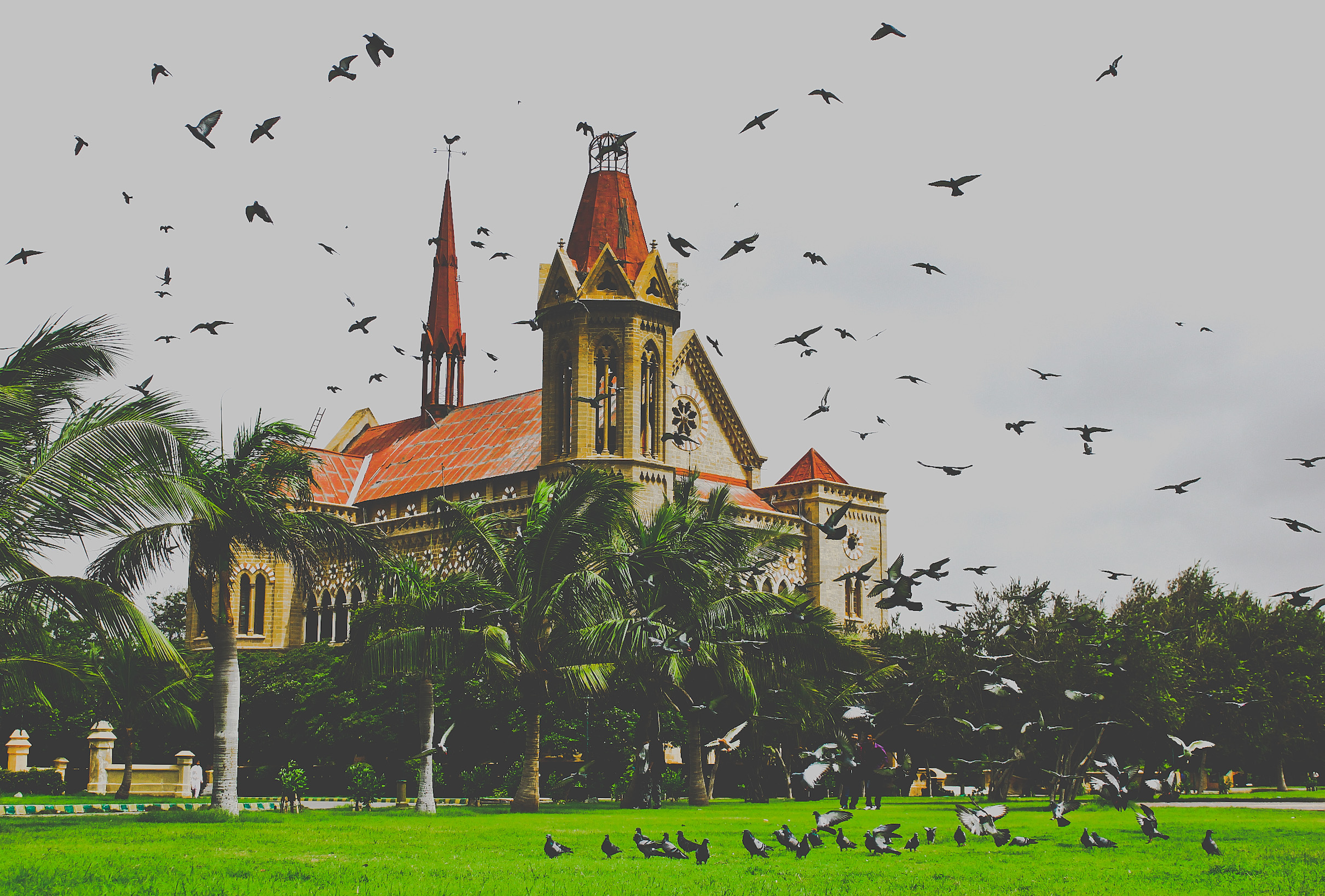
Built 1859-1860, one of Pakistan's finest Victorian buildings. The Mughal-style dome and red brick facade blend Gothic and Indo-Saracenic elements. Still a functioning major station, it's a living piece of infrastructure history. The adjacent locomotive workshops continue repairing steam and diesel engines.
1898 Gothic Revival structure with ornate ironwork, high ceilings, and Victorian detailing. The station serves the Karachi Circular Railway and mainline trains. The surrounding cantonment area has colonial-era military buildings and churches.
The engineering marvel that connected Peshawar to the Afghan border through the Khyber Pass, completed 1925. Though currently out of service, heritage railway advocates work to restore sections. The steam locomotives, tunnels, and mountain vistas represent British imperial engineering ambition.
Pakistan Railways occasionally runs heritage steam train journeys on special occasions. The Heritage Museum in Golra Sharif (near Islamabad) displays Victorian-era locomotives, carriages, and railway artifacts—a must for railway enthusiasts.
Sacred Heart Cathedral, Lahore: Completed in 1907, this Gothic Revival cathedral is one of South Asia's largest churches. The red brick facade, pointed arches, and soaring interior showcase Victorian ecclesiastical architecture. Still an active Catholic cathedral serving Lahore's Christian community.
Holy Trinity Cathedral, Karachi: Built 1855, the oldest surviving church in Karachi. Simple Gothic style in buff-colored stone, it serves Karachi's Anglican community. The church grounds include graves of British officers and civilians from the Raj era.
St. Andrew's Church, Murree: The oldest church in Murree (1857), this small stone church with its bell tower remains a functioning Presbyterian church and a landmark on Mall Road.
Many churches established during the British period now serve Pakistan's Christian community (approximately 2% of the population) and are living heritage sites, not museum pieces.
The British established schools, colleges, and universities that shaped modern Pakistan's elite. Aitchison College (Lahore), Government College University (Lahore), Lawrence College (Murree), St. Patrick's High School (Karachi), and many others continue as premier institutions. Their Victorian Gothic campuses, with quadrangles, libraries, and chapels, remain centers of learning. Alumni include many Pakistani political and cultural leaders, reflecting the Raj's educational legacy's lasting impact.
Visiting colonial-era sites requires balancing appreciation for architectural beauty and historical significance with awareness of colonialism's exploitative nature. These buildings represent both British engineering and administrative competence AND the extraction of wealth, suppression of independence movements, and cultural disruption. Modern heritage tourism can acknowledge both—admiring a Gothic railway station while understanding it was built to serve imperial interests, not local needs (though Pakistanis have since adapted it for their purposes).
Interestingly, Pakistan has sometimes preserved British-era buildings better than post-independence structures, recognizing them as part of the nation's layered history. The recent heritage conservation movement (Heritage Foundation Pakistan, Karachi's I Am Karachi campaign) works to document and protect Victorian architecture from demolition.
Walking Tours: Karachi's Saddar and Karachi Port area, Lahore's Mall Road, and Peshawar's cantonment are best explored on foot with knowledgeable guides who can explain architectural styles, historical events, and how these spaces function today.
Living History: Many colonial buildings remain in use—railway stations, schools, churches, courts. Visiting during normal operations (catching a train from Lahore Station, attending a service at Sacred Heart Cathedral, having tea at Peshawar Club if you can arrange access) offers living heritage experiences rather than static museum visits.
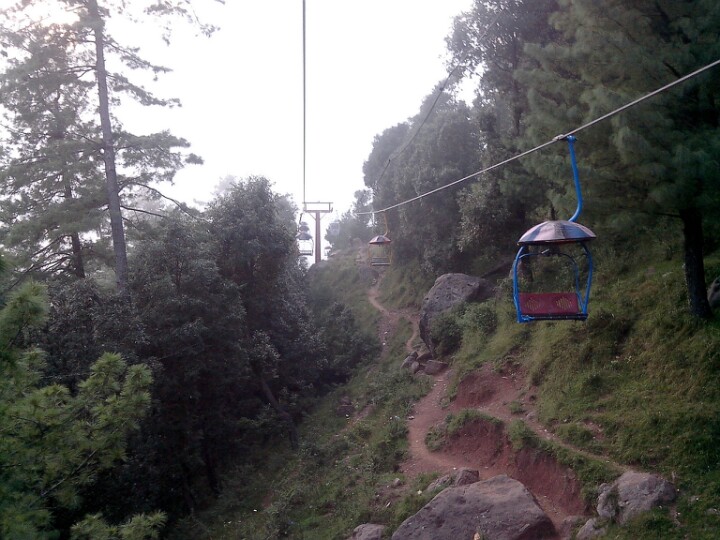
Hill Station Escapes: Murree, Nathiagali, and Ziarat offer cool weather retreats combined with heritage exploration—walking colonial-era trails, staying in refurbished British bungalows, and imagining the summer social season of the Raj while enjoying pine forest hikes and mountain views.